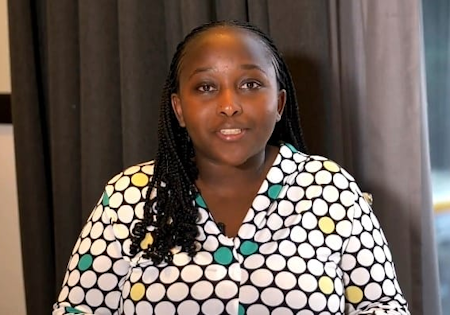
As a lawyer-in-training and co-founder of Shield Maidens, Maria Muneeni has positioned herself at the intersection of law, technology, and advocacy for women and persons with disabilities. Currently undertaking her Advocates Training Program at the Kenya School of Law, she is already carving a path that blends legal expertise with digital safety awareness.
Her first brush with digital threats came via Instagram. A message from what appeared to be a trusted friend promised her a phone and cash if she clicked a link. The incident left her shaken, but also sharpened her instincts.
“I thought it was real,” Maria admits. “Thankfully, I had already set up two-factor authentication. I blocked the account, logged out, and called my friend only to learn he had been hacked weeks earlier. I became very anxious about links. I delayed sharing my location online, removed my phone number from old accounts, and locked down my privacy settings,” she says. “It was about regaining control.”
Her advocacy also highlights the layered vulnerabilities faced by persons with disabilities. “They are at greater risk,” she explains. “Someone visually impaired, for instance, may not detect whether a link is encrypted. Many are not tech-savvy, yet social media is central to their work and self-expression. The risks are higher, and the support is not always accessible.”
For Maria, police responses remain one of the biggest barriers. “Most officers dismiss online abuse as unserious. They’ll say, ‘Basi usitumie social media.’ But for many, social media is not optional; it’s their livelihood or their voice.”
This is why trainings like those she has attended with KICTANet stand out. “I really valued the sessions, especially the digital storytelling and youth policy forums. They were accessible, interactive, and practical. But we need more sessions tailored specifically to persons with disabilities; simplified language, practical examples, and venues with full accessibility.”
For Maria, safer digital spaces will require both systemic change and individual responsibility. Legal frameworks, training for law enforcement, and accessible reporting channels. All are critical. But so too is the everyday kindness of users who choose to uplift rather than tear down.
“Online violence is real. It can make people dim their light, silence their voices. We must educate ourselves, protect one another, and create supportive online communities. Sometimes it’s as simple as calling out a harmful comment or reporting an abusive account. You’re not just protecting yourself—you’re protecting others too.”